Preparing project reports and demos
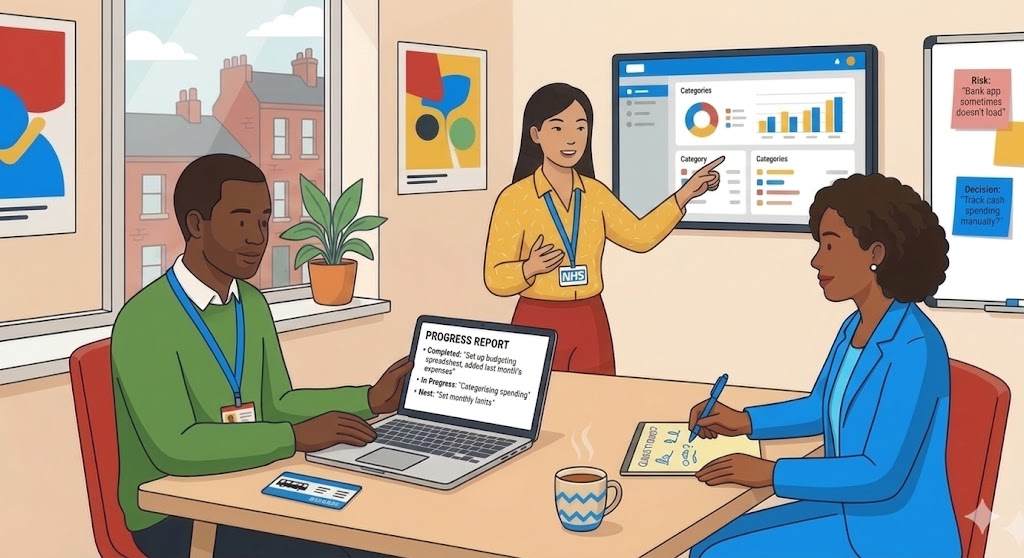
Preparing project reports and demos is about helping others see the progress your team has made. In Agile, this isn’t about writing long documents or giving stressful presentations. It’s about sharing clear, honest updates in a way that builds trust. Think of it like inviting someone into your kitchen while you’re cooking — you’re showing what’s ready, what’s still simmering, and what needs a bit more seasoning.
What Project Reports Are
A project report is a short, simple update that explains:
- What the team has completed
- What they’re working on now
- What’s coming next
- Any risks, blockers, or decisions needed
It’s not meant to impress people with fancy language. It’s meant to help everyone understand the truth of where things stand.
In everyday life, it’s like sending a quick message to your family group chat: “Food’s on the way, table’s set, still waiting for drinks — should be ready in 20 minutes.”
Clear. Honest. Helpful.
What Demos Are
A demo (sometimes called a “show and tell”) is when the team shows what they’ve built. Instead of talking about progress, you let people see it.
A demo might include:
- Walking through a new feature
- Showing a prototype
- Sharing before‑and‑after improvements
- Demonstrating how a process now works
Demos help stakeholders — the people who care about the project — understand what’s real, not what’s promised.
How Reports and Demos Work in Real Organisations
In the NHS Teams demo new appointment‑booking screens or share reports on patient feedback improvements.
In councils Teams show how a new online form works or report on service‑request turnaround times.
In charities Teams demo donation journeys or report on volunteer onboarding improvements.
In tech startups and big tech companies Teams show new features, experiments, and performance improvements every sprint.
Across all these environments, the goal is the same: transparency, trust, and shared understanding.
What Makes a Good Agile Report
A strong Agile report is:
- Short
- Visual
- Honest
- Focused on outcomes, not just activity
- Clear about risks and decisions
Instead of saying, “We worked very hard this sprint,” you say, “We completed 7 user stories, fixed 3 bugs, and reduced the login time by 40%.”
What Makes a Good Demo
A good demo:
- Shows real work, not slides
- Focuses on what the user can use now
- Is simple and conversational
- Invites questions
- Celebrates progress, even if small
You don’t need to be a performer. You just need to walk people through what’s new.
Why This Matters
Reports and demos help teams:
- Build trust with stakeholders
- Catch misunderstandings early
- Celebrate progress
- Make better decisions
- Stay aligned on what matters
They turn the project from something hidden into something shared.
Practical Application (Walk‑Through Together)
Let’s imagine you’re working on a simple project: improving your personal budgeting system.
Step 1: Prepare a short report
- Completed: Set up a budgeting spreadsheet, added last month’s expenses
- In progress: Categorising spending
- Next: Setting monthly limits
- Risk: Bank app sometimes doesn’t load
- Decision needed: Whether to track cash spending manually
Step 2: Prepare a mini demo
Show a friend or family member:
- How your spreadsheet works
- How expenses automatically total
- How categories help you see patterns
- What you plan to add next
You’ve just created a simple Agile report and demo — the same way teams do in NHS digital, councils, charities, and tech companies.
Your Turn (Activity)
Choose a small project in your life — maybe preparing for a move, organising your finances, or studying for an exam.
- Write a short report with:
- What you’ve completed
- What you’re working on
- What’s next
- One risk or blocker
- Prepare a 2‑minute demo showing your progress to someone you trust.
- Ask them one question: “Does this make sense to you?”
You’ve just practised real Agile communication.
One Thing to Remember
A good report or demo doesn’t show perfection — it shows progress, honestly and clearly.