How to gain practical project experience before your first job
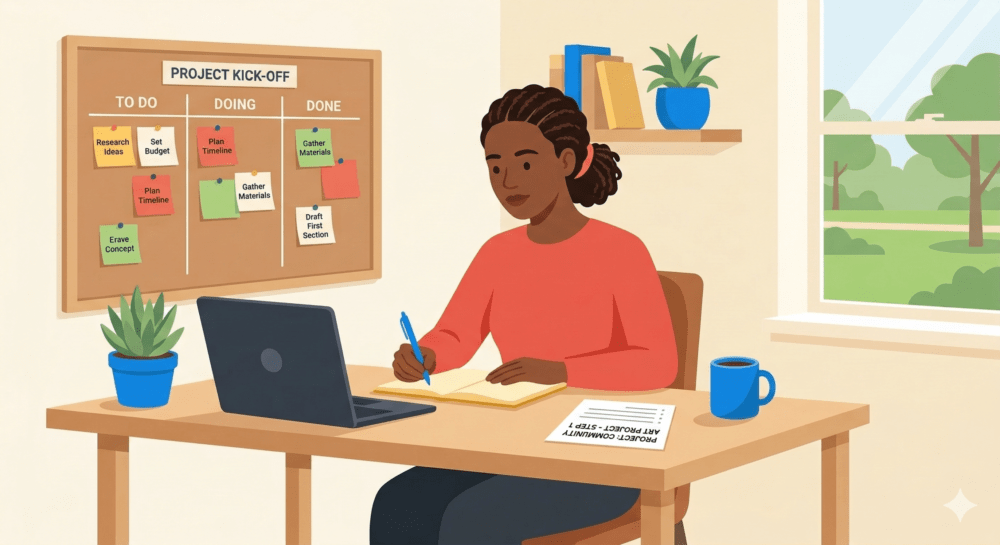
Many people believe experience only comes after you get hired. In reality, practical experience can be built long before your first official role. Organisations everywhere — from community centres to hospitals, from small businesses to global companies — value people who can organise tasks, communicate clearly, and help a team move forward. You can start developing these abilities right where you are, using the skills you already have.
Practical experience isn’t about job titles. It’s about showing that you can take responsibility, solve problems, and complete meaningful work. And you can do that in your everyday life, your community, or through simple volunteer projects.
Why Practical Experience Is So Important
When employers look at beginners, they’re not expecting years of experience. They’re looking for signs that you can:
- Plan and organise work
- Break tasks into manageable steps
- Communicate with different people
- Adapt when things change
- Follow through on commitments
These skills matter in hospitals, local councils, charities, tech startups, schools, and global companies. They matter even more in Agile environments, where teams move quickly and learn as they go.
Start With Something Small and Real
Your first project doesn’t need to be impressive. It just needs to be real.
You can build experience by improving something around you:
- Helping a neighbour organise a community clean‑up
- Supporting a small business with simple admin tasks
- Coordinating a school or youth activity
- Helping a charity manage volunteers
- Creating a simple digital resource for a local group
- Streamlining a process at home or in a family business
These are genuine projects. They show initiative, planning, and problem‑solving — the same qualities employers look for.
Treat It Like a Mini Agile Project
Once you choose your idea, structure it in a simple, practical way.
Create a task list (your “backlog”)
Write down everything that needs to be done. Put the most important items at the top.
Use a simple workflow
A basic three‑column board works beautifully:
- To Do
- In Progress
- Done
You can use sticky notes, a notebook, or a digital tool like Trello.
Work in small steps
Focus on one task at a time. This mirrors how real Agile teams deliver work.
3. Capture What You Did and Why It Mattered
Employers love clarity. They want to see how you think.
Document:
- The problem you were trying to solve
- The steps you took
- The tools you used
- Any challenges you faced
- What you learned
This turns a simple activity into a professional‑looking project.
4. Turn It Into a Short Case Study
A case study is a brief explanation of your project. It doesn’t need to be long.
Use this structure:
- The situation – What was happening?
- The goal – What did you want to achieve?
- Your approach – How did you organise the work?
- The outcome – What changed because of your effort?
- Your learning – What would you do differently next time?
This is exactly how project professionals present their work.
Build More Experience Through Volunteering
Volunteering is one of the fastest ways to gain practical experience. You can support:
- Community organisations
- Youth groups
- Charities
- Local initiatives
- Online nonprofits
- Small businesses
Many volunteer roles involve planning, coordination, communication, or problem‑solving — all perfect for Agile development.
Practical Application (Walk‑Through Together)
Let’s build a simple project idea right now.
Imagine you want to help a local group organise a monthly workshop.
You could:
- Define the goal: “Help the group run one well‑organised workshop.”
- List the tasks:
- Confirm the topic
- Find a speaker
- Arrange the venue or online platform
- Promote the event
- Prepare materials
- Organise your workflow: Move tasks from To Do → In Progress → Done.
- Deliver the workshop: Support the team and complete the tasks.
- Reflect: What worked well? What would you improve?
This becomes a real project you can confidently add to your portfolio.
Your Activity
Choose one small challenge from your life, community, or workplace. Write down:
- The goal
- Five tasks you need to complete
- One thing you can start today
This is the beginning of your practical experience.
One‑Sentence Summary
You gain practical project experience by taking small, real‑world problems and organising them in a structured, thoughtful way — long before your first official job.